
GEOGRAPHE PSYCHOLOGY
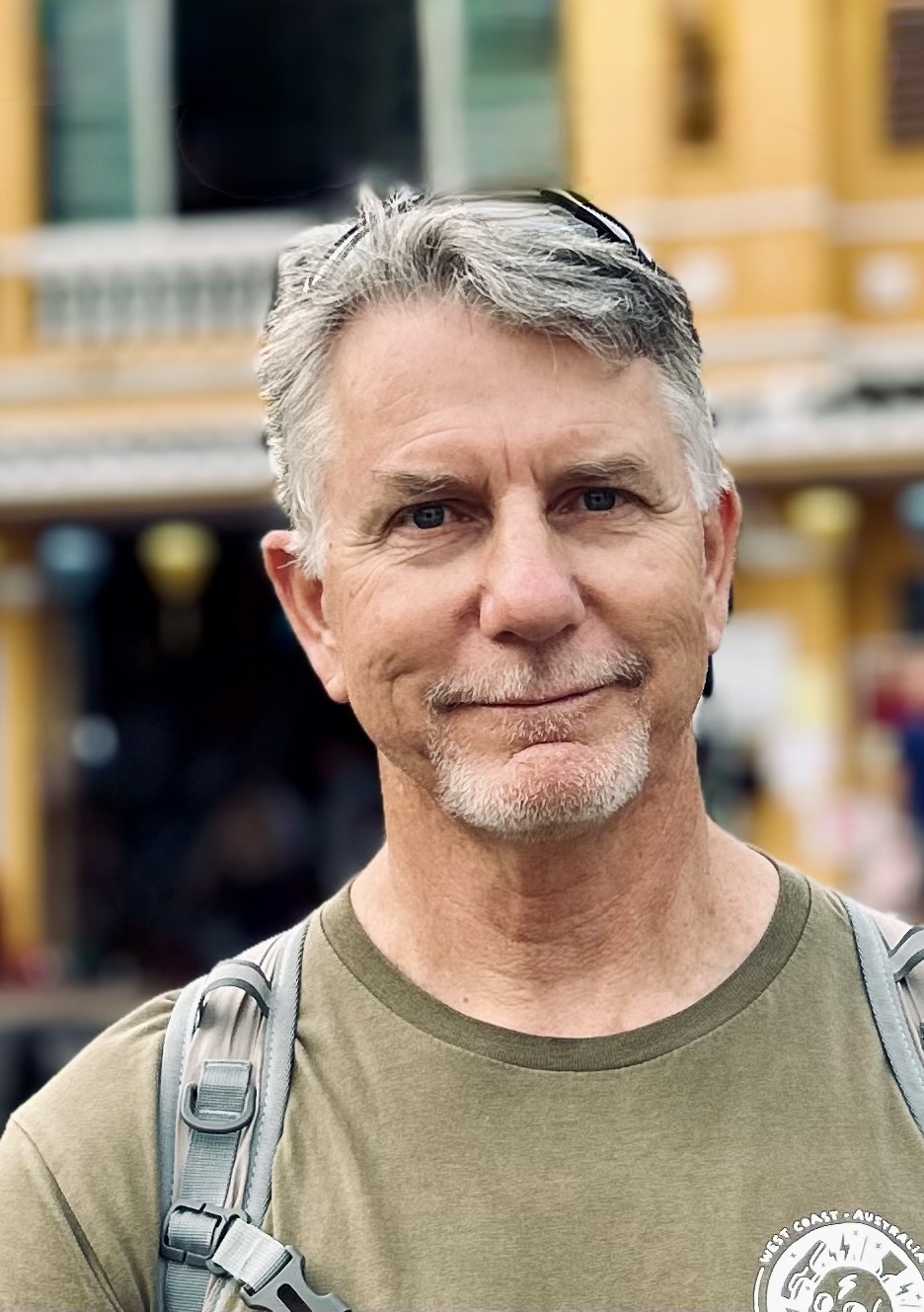
Laurie Haynes has practised clinical psychology in the southwest since 2003 and is well regarded for a grounded, practical approach. He works with people experiencing a wide range of mental health concerns, as well as those managing chronic health conditions. Laurie works particularly well with young adults and adults navigating the demands of work and life who want to explore what’s underlying their difficulties and then take meaningful steps toward lasting change.
Laurie was raised and educated in Hong Kong by parents who worked as teachers in international schools, his formative years shaped by a respect for cultural diversity and human difference. In his twenties, he stepped away from civil engineering to study theology, before spending time in North America working as a wilderness guide with juveniles. He later returned to WA to work as a school chaplain in Perth and developed the Wilderness Intervention Program for troubled adolescents. These varied life experiences sparked a deep interest in the human experience and Laurie returned to university in his early thirties to pursue psychology.
Laurie Haynes Clinical Psychologist
B.A. (Theol/Psych); Grad. Dip. App. Sc; B.Psych; M.Psych (Clinical & Health); MACPA
Laurie is a registered clinical psychologist and the practice owner of Health@73, a multidisciplinary allied health clinic. He graduated with a Masters in Clinical Psychology from Curtin University in 1999. His previous qualifications include: Bachelor of Psychology, Graduate Diploma of Applied Science – Outdoor Pursuits, Bachelor of Arts in Theology, and Diploma in Civil Engineering.
Laurie’s early clinical experience was in Youth Justice and Child and Adolescent Mental Health. He has also worked for the Department of Regional Australia on Christmas Island with refugees and asylum seekers, and with a multinational corporation as the staff psychologist within immigration detention in Australia. Laurie began working in South West WA in 2003 and has had private practice clinics in Busselton, Bunbury, Dunsborough and Margaret River. He was also employed part-time with the WA Country Health Service.
Laurie is a founding member of the Australian Clinical Psychology Association (ACPA) and is committed to ongoing professional development and high standards of practice. He is registered with the Psychology Board of Australia and endorsed in clinical psychology by the Australian Health Practitioner Regulation Authority (AHPRA). Laurie is also a Board-approved supervisor, supporting the training and development of clinical psychology registrars and provisional psychology interns.
The mainstay of Laurie’s work is with adults experiencing anxiety and depression, however he works with a range of psychological problems including trauma/PTSD and he is versed in trauma focused CBT and schema therapies. Laurie also has an interest in attachment and relationship issues, adjustment disorders due to major life events, and comprehensive assessments such as for Adult ADHD.